Termites in Tappan, Orangeburg, NY
Tappan and Orangeburg older homes face elevated termite risk. Get a professional termite inspection for your historic Rockland County neighborhood.
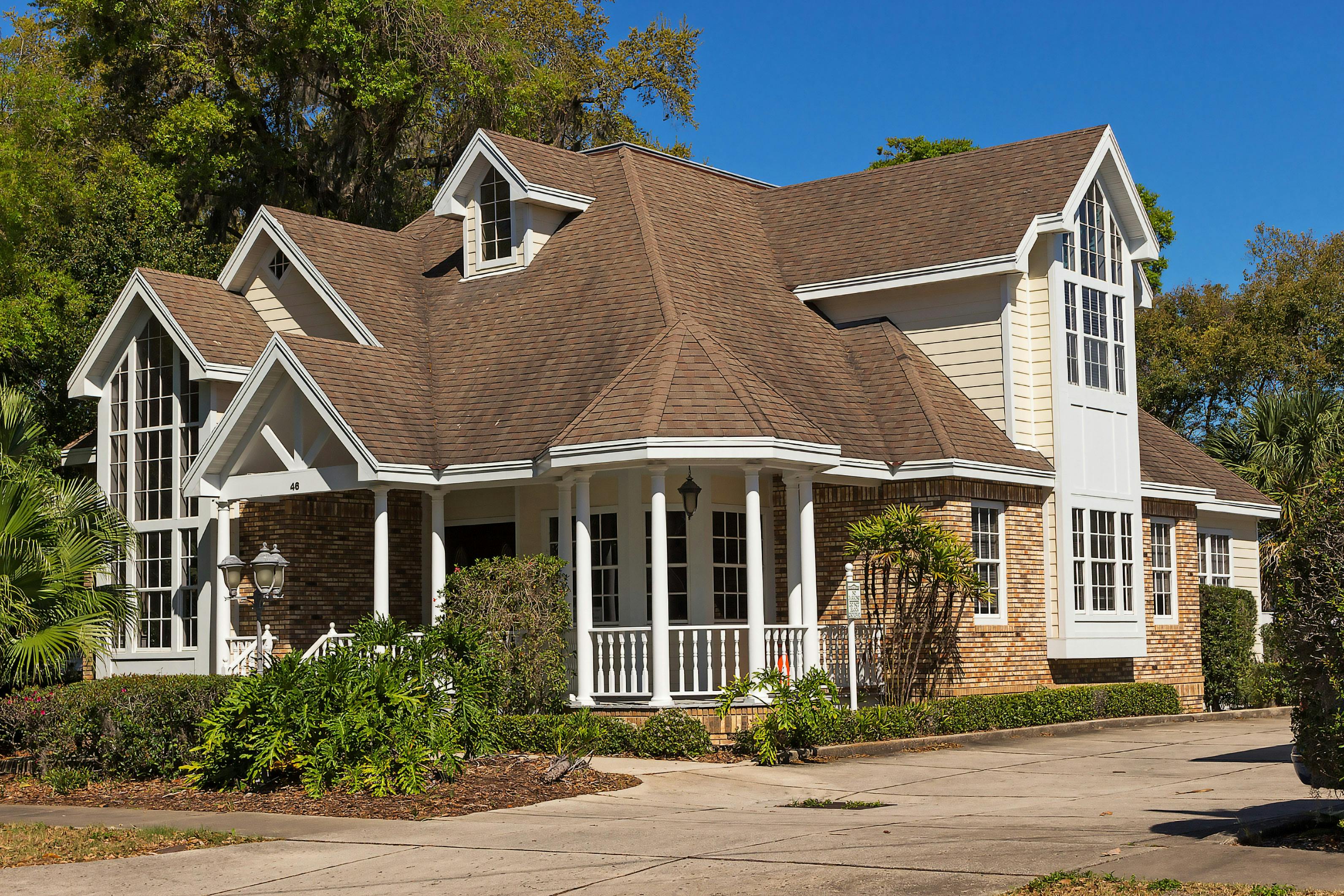
Termite Risk in Southern Rockland County: Why Tappan and Orangeburg Homeowners Should Be Concerned
Southern Rockland County's older, established neighborhoods carry a termite risk profile that many homeowners underestimate. Tappan — one of the most historically significant communities in the entire Hudson Valley, with homes dating to the colonial period — and Orangeburg, with its dense concentration of mid-century and post-war housing, present conditions that Eastern subterranean termites find highly attractive.
Age, wood type, soil conditions, and previous moisture history all contribute to termite vulnerability. The older your home, the more exposure it has had to moisture events, and the more likely its structural wood contains the kind of cellulose degradation that termites exploit. In Rockland County, termite season runs from April through June when swarmers emerge — but colonies are active year-round, silently consuming wood beneath the soil surface.
Tappan: Historical Character Meets Historical Risk
Tappan is a National Register Historic District, home to structures dating to the 17th and 18th centuries. DeWint House (1700) is believed to be one of the oldest structures in Rockland County. Washington's headquarters during the André trial operated here. This deep historical character means Tappan has structural wood — original and replacement — of extraordinary age.
What Makes Tappan Homes Particularly Vulnerable
• Original foundation construction — many older Tappan homes have rubble stone or brick foundations with abundant termite access points at the foundation-to-wood interface
• Historic wood types — old-growth heart pine and chestnut, once considered relatively termite-resistant, loses that resistance as it ages and absorbs moisture
• Soil characteristics — Tappan's soils retain moisture well, supporting the underground termite colonies that attack structures from below
• Landscape maturity — old trees, roots, and decaying organic matter throughout historic lots provide supplemental food sources that support termite colony growth
The DeWint House Neighborhood and Surrounding Streets
Properties on and around King Highway, Main Street, and Old Tappan Road in Tappan range from colonial period structures to 20th-century homes — all on older lots with mature landscaping and soil histories that favor termite activity. If you have not had a professional termite inspection in the past three years, scheduling one should be a priority.
Orangeburg: Post-War Housing and Termite Pressure
Orangeburg's development boom in the 1950s through 1970s produced thousands of single-family homes that now represent some of the older housing stock in Rockland County. Homes from this era were built with practices that create termite vulnerability:
• Wood-to-soil contact — grade boards, stair stringers, and porch posts in post-war construction commonly contact soil directly
• Form boards left in place — concrete forms made of wood were frequently left buried in the soil beneath slabs after pouring, providing an in-ground food source for termites that then attack the structure
• Cellulose debris in crawl spaces — wood scraps, cardboard, and other materials left in crawl spaces during construction serve as termite food sources for decades
• Aging HVAC and plumbing — water heater pan failures, condensate line leaks, and aging plumbing in homes from this era create moisture conditions that attract termites to specific areas within the structure
Identifying Eastern Subterranean Termite Activity
Mud Tubes
The most definitive sign of Eastern subterranean termite activity. Mud tubes are pencil-width tunnels of soil and termite excrement running from the ground up foundation walls, across block faces, or along pipe and utility penetrations. Termites use these tubes as protected highways between their underground colony and the wood they're consuming.
Look for mud tubes:
- On exposed foundation walls in the basement or crawl space
- Behind insulation in crawl spaces
- Around pipes penetrating the foundation
- On interior wall surfaces in severe infestations
Swarmers and Shed Wings
Spring swarmers are winged reproductive termites that emerge to found new colonies. In Tappan and Orangeburg, swarms typically occur on warm mornings following April and May rain events. Signs include:
- Live winged insects near windows, lights, or foundation vents
- Piles of shed wings — termite swarmers shed wings shortly after flight
- Discarded wings in window sills, spider webs, and along baseboards
Damaged Wood
Termite-damaged wood is hollow-sounding, may show paint bubbling or distortion on the surface, and when probed reveals soft, honeycomb-like interior channels packed with soil and excrement.
Professional Termite Inspection for Tappan and Orangeburg
Our termite inspections are thorough, systematic, and documented:
1. Full interior inspection — basement or crawl space, sill plates, floor joists, subfloor, and all accessible structural wood
2. Foundation perimeter inspection — all exterior foundation walls, grade boards, porch and stair structures, attached garage foundations
3. Moisture assessment — moisture meter readings at all high-risk structural elements
4. Landscaping assessment — tree stumps, mulch beds, firewood storage, and grade slope relative to the foundation
5. Written report with all findings, photographs, and treatment recommendations
If termite activity is found, we provide Termidor HE (Imidacloprid) liquid treatment or Sentricon baiting system options — both among the most effective termite treatment technologies available, backed by comprehensive warranties.
Frequently Asked Questions
How much does a termite inspection cost in Tappan or Orangeburg?
We provide free termite inspections for Tappan and Orangeburg homeowners. Call (845) 533-5288) to schedule.
What happens if I find termites when selling my Tappan home?
Termite discoveries during real estate transactions are common in older Rockland County communities. Prompt professional treatment and a treatment certificate can satisfy most mortgage lender requirements. We provide same-week inspection and treatment scheduling for real estate transactions.
How long does termite treatment take?
Liquid soil treatment for a typical Tappan or Orangeburg home takes approximately four to eight hours. Bait station installation is faster but requires ongoing monitoring visits. We discuss both options during your free inspection.