Stink Bug Control: Rockland County
Brown marmorated stink bugs invade Rockland County homes every fall. Learn how to prevent their entry and seal your home before stink bug season.
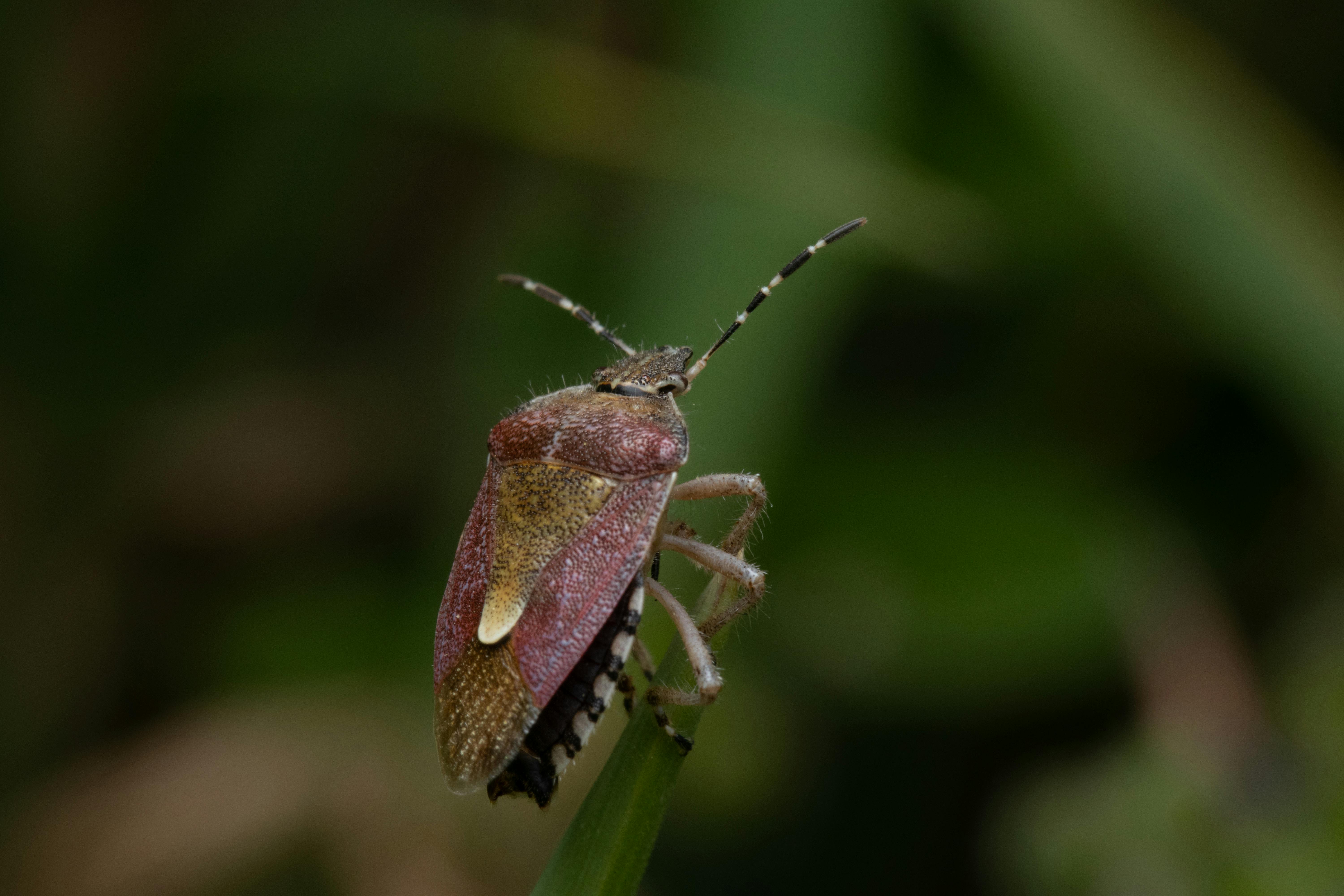
Stink Bugs Are Coming — And Rockland County Gets Hit Hard
Every September and October, as Rockland County's deciduous forests transition to their fall colors, another autumn tradition begins — the stink bug invasion. Brown marmorated stink bugs (*Halyomorpha halys*), an invasive species from Asia that arrived in the United States in the late 1990s, have become one of the most common fall pest problems throughout the Hudson Valley and Rockland County specifically.
Rockland County's combination of extensive agricultural land in Orange County immediately to the north, ornamental fruit trees throughout residential neighborhoods, and wooded terrain provides abundant stink bug habitat. Come fall, these insects aggregate on sun-warmed south-facing walls of homes, searching for gaps to overwinter inside. And Rockland's older housing stock — the Victorians of Nyack, the cape cods of Clarkstown, the ranch homes of Nanuet — tends to have exactly the gaps they need.
Why Stink Bugs Choose Your Home
Stink bugs are overwintering pests — they don't breed inside your home. They simply want to survive the winter in a warm, sheltered location. Here's why Rockland homes are attractive:
• Sun-warmed exterior walls — south and west-facing walls absorb heat and serve as gathering points on fall afternoons before stink bugs seek entry
• Abundant gaps in older construction — gaps around window frames, deteriorated caulk, worn weatherstripping, and aging soffit and fascia boards give them easy access
• Large glazed windows — bay windows, picture windows, and sliding glass doors common in Rockland's ranch and colonial homes have many perimeter gaps
• Proximity to food sources — ornamental pear, apple, and cherry trees throughout Rockland County's residential neighborhoods feed stink bug populations through summer
• Forested backdrop — the tree lines adjacent to Rockland's neighborhoods serve as summer habitat; the forest-to-home transition happens naturally each fall
The Stink Bug Problem: More Than Just an Odor
Stink bugs don't bite, sting, or transmit disease. But they create several genuine problems:
• Numbers — a single home can harbor hundreds or even thousands of overwintering stink bugs in wall voids and attic spaces. When they "wake up" on warm winter days and in spring, they emerge in large numbers — often from electrical outlets, light fixtures, and window frames.
• The odor — when disturbed, crushed, or vacuumed, stink bugs release a pungent chemical compound from glands on their thorax. The smell has been compared to cilantro, coriander, or burning chemicals. It clings to skin and fabrics.
• Staining — stink bug secretions can leave brownish stains on curtains, walls, and upholstery
• Secondary pests — large numbers of dead stink bugs in wall voids attract carpet beetles and other insects that feed on organic matter
• Psychological stress — for homeowners who dislike insects, having hundreds of large brown bugs emerge from the walls each spring is genuinely distressing
Stink Bug Exclusion: The Most Effective Prevention
The single most effective way to control stink bugs is to prevent them from entering your home in the first place. This means thorough exclusion work conducted ideally in August or early September, before stink bugs begin aggregating on exterior walls.
Exclusion Checklist for Rockland County Homeowners
Windows and doors:
- Inspect and replace any torn, bent, or ill-fitting window screens
- Install or replace door sweeps on all exterior doors
- Re-caulk around all window and door frames with silicone caulk — stink bugs can exploit gaps as small as 1/8 inch
- Check and reseat weatherstripping on all exterior doors
Roofline and attic:
- Inspect and repair soffits and fascia boards — gaps here are major entry points
- Cover attic vents and gable vents with fine mesh screening (1/16-inch mesh)
- Check and seal around chimney flashing
- Seal penetrations where electrical, plumbing, and communications lines enter the attic
Foundation and lower levels:
- Caulk foundation cracks and expansion joints
- Seal around basement window frames
- Check and seal around utility penetrations (pipes, conduit, cables)
Landscaping:
- Trim ornamental fruit trees and berry-producing shrubs away from exterior walls
- Remove leaf litter and organic debris from against the foundation
Professional Stink Bug Treatment
When exclusion isn't sufficient or when an active infestation needs to be addressed, professional treatment includes:
• Exterior perimeter treatment — applied to the home's exterior in late summer/early fall to deter aggregating stink bugs before they can enter. Creates a barrier effect that significantly reduces the number gaining entry.
• Interior crack-and-crevice treatment — for stink bugs already inside wall voids, targeted applications to harborage areas can reduce the overwintering population
• Spring emergence treatment — if stink bugs are already established inside, a targeted treatment applied before they begin emerging in spring reduces the indoor nuisance significantly
Call (845) 533-5288) in August or September for the best results — preventive treatment before stink bug aggregation season is far more effective than reactive treatment after they've entered.
Frequently Asked Questions
Should I vacuum up stink bugs I find inside?
Vacuuming is effective for quick collection, but dispose of the vacuum bag immediately in a sealed outdoor trash container — the odor compounds will permeate the vacuum. Alternatively, use a shop vac with soapy water in the canister, which traps and kills bugs without the odor problem.
How long does the stink bug season last in Rockland County?
Stink bug aggregation and entry season in Rockland County typically runs from mid-September through November. They may remain dormant in your walls through winter, then re-emerge as your home warms in spring (March-May). The full stink bug nuisance cycle runs roughly August through May.
Do stink bugs damage my home or belongings?
Stink bugs don't cause structural damage, but their secretions can stain fabrics and wallpaper, and large quantities of dead insects in wall voids can cause odor problems and attract secondary pests. Preventive exclusion and treatment are the best way to avoid these issues.