Spring Ant Invasion: Why Rockland County Homes See More Ants in April
Ants surge into Rockland County homes every April as colonies expand and forage for moisture. Learn the difference between carpenter ants and pavement ants, and how to stop them.
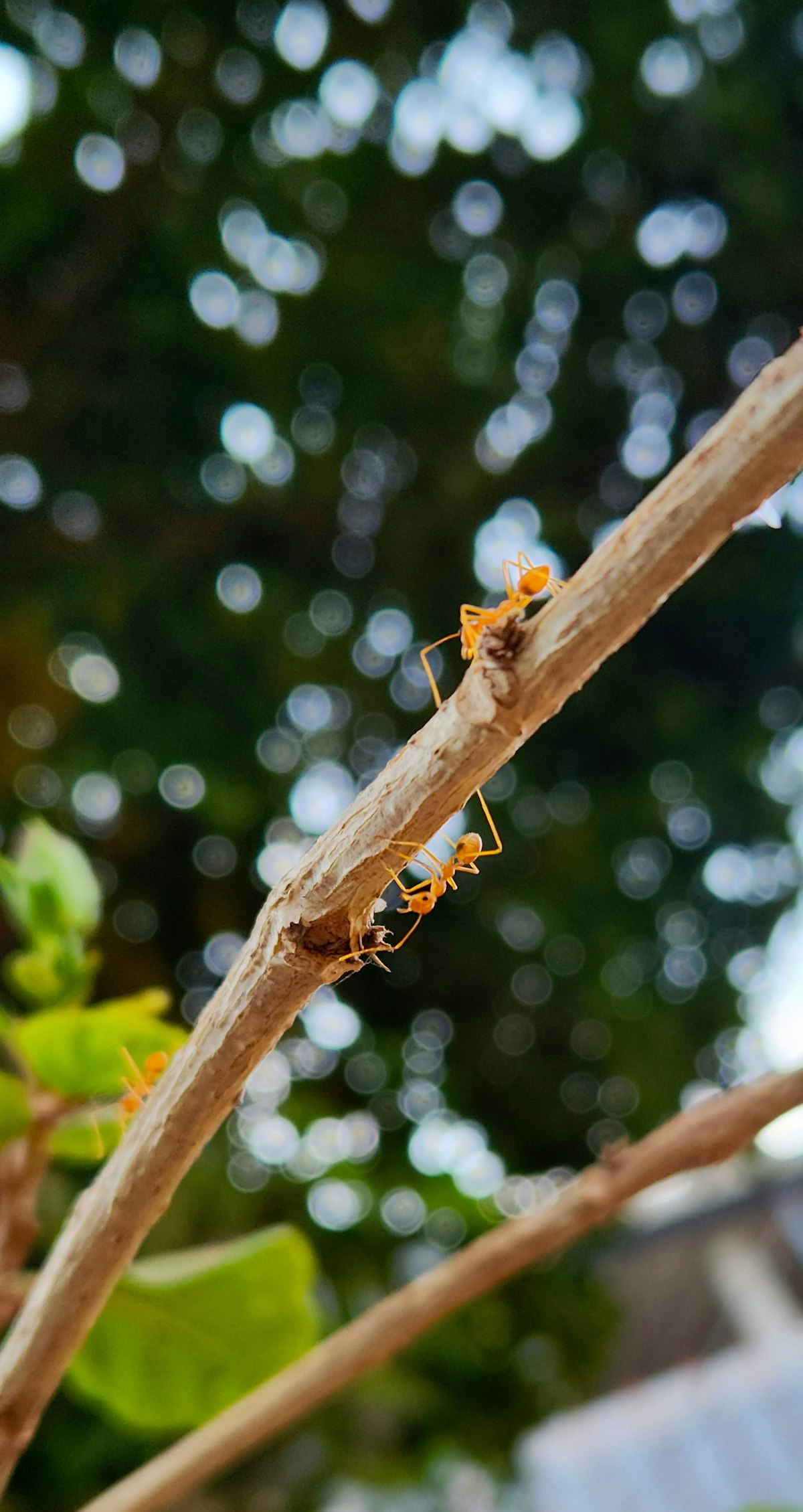
Why April Brings Ants Into Rockland County Homes
Every spring, pest control calls across Rockland County surge with the same complaint: ants. In kitchens, along baseboards, trailing across countertops, appearing in bathrooms. For many Rockland homeowners, the first warm week of April marks the beginning of what can become a months-long battle.
The reason is not complicated: throughout winter, ant colonies in Rockland County's outdoor environments slow their activity significantly. Workers hunker in underground nests or in the protected void spaces of structures, consuming stored food and waiting for warmth. When April arrives and soil temperatures rise, colonies wake up hungry. Their stored food is depleted. The queen is ramping up egg production for the spring expansion. Workers fan out in aggressive foraging sweeps, and the gaps, cracks, and entry points of your home become highways into a food and water source they need.
The Two Main Ant Species Invading Rockland County Homes in Spring
Carpenter Ants: The Structural Threat
Carpenter ants (Camponotus species) are the most commonly misidentified and underestimated spring ant problem in Rockland County. These large, black (or black and red) ants — often 3/4 inch or more in length — are not just foraging for food. When you see large black ants in your home in April, particularly at night or near windows and doors, there is a reasonable chance they represent an established colony inside your structure.
Carpenter ants do not eat wood the way termites do. They excavate it, chewing out smooth galleries in soft, damp structural wood to build their nests. In Rockland County's older housing stock — the wood-frame homes in Nyack, the older colonials in Haverstraw and Suffern, the wooded lots of Montebello and Pomona — damp basements, leaky window frames, and water-damaged sill plates give carpenter ants everything they need.
Signs of a carpenter ant infestation in your home:
- Large black ants seen indoors at night, especially in kitchens and bathrooms
- Small piles of frass — coarse sawdust mixed with dead ant parts — beneath window sills, near door frames, or along baseboards
- A faint rustling sound inside walls or ceilings, particularly at night
- Swarmers — winged carpenter ants appearing indoors in spring, indicating the colony has been established for three or more years
Carpenter ants found indoors in April are not simply wandering foragers from outside. An indoor sighting in numbers at this time of year suggests a satellite colony that has been living in your walls through the winter.
Pavement Ants: The Kitchen Invaders
Pavement ants (Tetramorium caespitum) are smaller (1/8 inch), dark brown, and far more commonly seen as kitchen trail ants. They get their name from nesting under driveways, sidewalks, and concrete foundation slabs — extremely common habitat in Rockland County's newer suburban neighborhoods in Clarkstown, Pearl River, Nanuet, and Orangeburg.
Pavement ant colonies can contain thousands of workers, and in spring they send those workers through any crack in your foundation slab or gap around plumbing penetrations into your home. A single trail to a food source can involve hundreds of workers established within minutes of a scout locating food.
In April, you may also see pavement ant "wars" — competing colonies fighting on sidewalks and driveways as spring colonies expand their territories. These battles are completely normal behavior and a sign that pavement ant populations are surging.
Why DIY Ant Products Often Make Things Worse
The instinctive response to seeing an ant trail is to spray it. And for a few minutes, that works — the ants die or scatter. But this approach fundamentally misunderstands how ant colonies operate, and it typically makes the problem worse.
Repellent sprays trigger colony fragmentation. When foragers encounter a repellent barrier, the colony response is to split and route around it — a process called budding. A single colony entering through one point may become two or three satellite colonies entering through different points after repellent treatment.
Spray-killed foragers are immediately replaced. A mature carpenter ant colony may contain tens of thousands of workers. Killing a few hundred foragers with a spray has no meaningful impact on the colony's population.
Over-the-counter baits require correct placement. Ant baits can be effective, but they must be placed precisely in the paths foragers are actively using and must not be contaminated by repellent sprays. A bait station near a recently sprayed area is avoided entirely.
Professional Ant Control: What Actually Works
Effective spring ant treatment targets the colony, not the individual workers:
Thorough inspection and species identification. Carpenter ants and pavement ants require different treatment approaches. Confusing them leads to wasted time.
Non-repellent residual treatments. Professional-grade non-repellent insecticides applied to the exterior perimeter and entry points are undetectable to ant workers. Foragers walk through the treated zone, pick up the active ingredient, and carry it back to the colony through normal feeding and grooming behavior.
Targeted interior bait placement. Professional gel baits applied in harborage and foraging areas are carried back to the colony. Slow-acting bait allows enough time for it to spread through the colony before workers die.
Entry point sealing. Identifying and physically sealing the gaps, cracks, and penetrations ants are using to enter your home is the most durable long-term solution.
Moisture correction. Carpenter ants are strongly drawn to damp wood. Addressing leaky pipes, basement moisture, and any area of water-damaged structural wood removes the primary attractant.
When to Call for Spring Ant Control
If you are seeing large black ants inside your home in spring — especially at night — do not wait to see if the problem resolves on its own. Carpenter ant colonies established inside your structure will expand through spring and summer, and the structural excavation continues as long as the colony is present.
Call (845) 533-5288 for a free estimate on spring ant control anywhere in Rockland County.
Frequently Asked Questions
How do I know if I have carpenter ants inside my walls versus foragers coming in from outside?
Foraging carpenter ants come from outside and are typically seen during the day, entering through a visible gap and heading toward food or water. Colony ants living inside your walls are most active at night and may be seen emerging from gaps in baseboards, window frames, or around electrical outlets. Finding frass (coarse sawdust debris) indoors is the most reliable indicator of an indoor colony.
How long does professional ant treatment take to work?
Bait-based treatments typically show noticeable reduction in forager activity within 1-2 weeks as the colony consumes the bait. Non-repellent exterior treatments create an immediate knockdown of workers contacting the treated zone and continue providing residual control for 30-90 days depending on conditions. Full colony elimination in established carpenter ant infestations can take 4-6 weeks.
Are ants in Rockland County a seasonal problem or year-round?
Pavement ants and odorous house ants are primarily a spring and summer problem. Carpenter ant colonies established inside a structure can produce foragers year-round — if you are seeing large black ants in your kitchen in January, that is an indoor colony, not foragers from outside. Call (845) 533-5288 for a complete evaluation.